The week in review
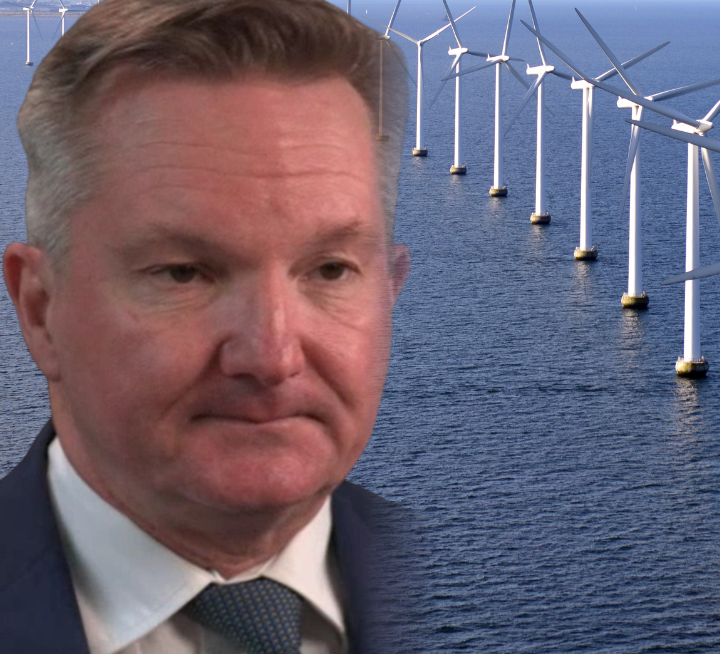
Just what is happening with the Australian offshore wind sector?
From the government's point of view if we're to believe what the climate change and energy minister has to say, it's not far from a silver bullet for the country's energy woes.
Chris Bowen has said on many previous occasions and in many different forms of words that the government is driving the development of an offshore wind industry with a view to "securing Australia's energy future."
In fact, when in 2022 the government announced its intention to develop an offshore wind industry, their press release emphatically proclaimed Bowen "has been fighting to unlock Australia's offshore wind capacity for years."
But the indications from industry would suggest that that need for energy security – which is the core driver of pretty much every decision taken in the sector – is far off.
This week RWE became the third, foreign renewables investor to dump (or at least freeze) their plans for developing an offshore wind farm in Australian waters.
Spanish firm BlueFloat was the first to pull the pin back in July when it dropped out of the race to build a facility off Victoria's Gippsland coast, surrendering the feasibility license it had previously been granted.
Then last month RES, in a joint venture with Origin Energy, decided to put their wind farm plans on ice.
And now we have said auf wiedersehen to the German firm RWE.
Add to that the lacklustre ‘clamour' to acquire feasibility licenses in pretty much all of the zones except the Gippsland one, the delayed offshore wind auction process in Victoria as well as the federal government's rejection of Victorian plans to build a assembly terminal at the Port of Hastings, and the sector's not exactly firing on all cylinders.
What's particularly concerning is the international element in all this.
As Bowen himself said back in 2022, "Many other countries have been successfully harvesting offshore wind energy for years" and it is firms from these countries which must have been rubbing their hands with glee when Australia's plans were unveiled.
Huge expansive oceans. Consistent and strong winds. Populations clustered on the coastlines. What's not to like? It's the perfect mix for a foreign investor to swoop in and make some serious money.
And swoop they did, lodging plans and setting up glitzy websites and applying in their droves (ahem) for the feasibility licenses which would allow them to pursue their proposals with vigour.
You'll note the frog in my throat in the previous line.
There are six offshore wind zones around the huge coastline of Australia, where you would think countless wind farms could be established. But the numbers tell a different tale.
In the Gippsland zone, things look relatively rosy. Thirty-five applications were received, 12 licenses were issued, of which two have now been surrendered and one is teetering on the brink. Furthermore, five management plans have been submitted to the regulator with four of them being accepted.
In the Hunter zone, eight applications were received resulting in one license being issued.
In the Indian Ocean zone off the WA coast, only a handful of applications were received with a preliminary decision to potentially grant three licenses being made by the minister.
In the Southern Ocean zone only one license was issued.
And in the Illawarra and Bass strait zones, no licenses have been issued.
It's hardly over-whelming is it? And judging by the government's recent decision to cut some of the fees and red tape associated with the application process to try and make it less onerous, they're all too well aware of that.
These northern hemisphere companies know how to build wind farms. They know how to handle stakeholder engagement and navigate the corridors of power and money.
And yet their interest has been worryingly low and is even – as has been seen – going backwards.
If Australia is to grasp this nettle and reap the rewards this abundant source of energy can offer, it needs to make some serious changes to the process.
Yours,
Russell Yeo
Editor
Energy News Bulletin
To get the best analysis and insight of what's happening in APAC's energy sector, sign up for a free trial.